


Presentation
Name: Poppy
Age: 5-month-old
Breed: Maltese-cross breed
Sex: Entire Female
Disease Overview
Portocaval and Portoazygos Shunts:
These shunts are abnormal connections between embryonic cardiovascular systems, leading to congenital extrahepatic PSSs. Chronic portal hypertension can cause multiple acquired PSSs.
Patients may present with the below signs:
- Haematological Findings: Microcytosis and anaemia are common, with dogs often exhibiting target cells and cats showing poikilocytes.
- Serum Biochemistry: Abnormalities include hypoalbuminemia, reduced BUN, and mild to moderate increases in liver enzyme activities.
- Liver Function Testing: Measurement of fasting and postprandial serum bile acids concentrations is crucial.
- Coagulation Profiles: Dogs with PSS may have coagulation abnormalities, but spontaneous bleeding is rare.
- Protein C: Protein C activity may aid in differentiating PSS from other liver diseases.
- Abdominal Effusion Evaluation: Effusion is rare in congenital PSS alone but may occur with severe hypoproteinaemia or portal hypertension.
- Histopathology: Common findings include bile duct proliferation, hepatocellular atrophy, and arteriolar proliferation.
- Diagnostic Imaging: Abdominal ultrasonography is key for diagnosing PSS. Other methods such as radiography, CT and MRI can be used in combination with contrast.
Clinical Diagnosis
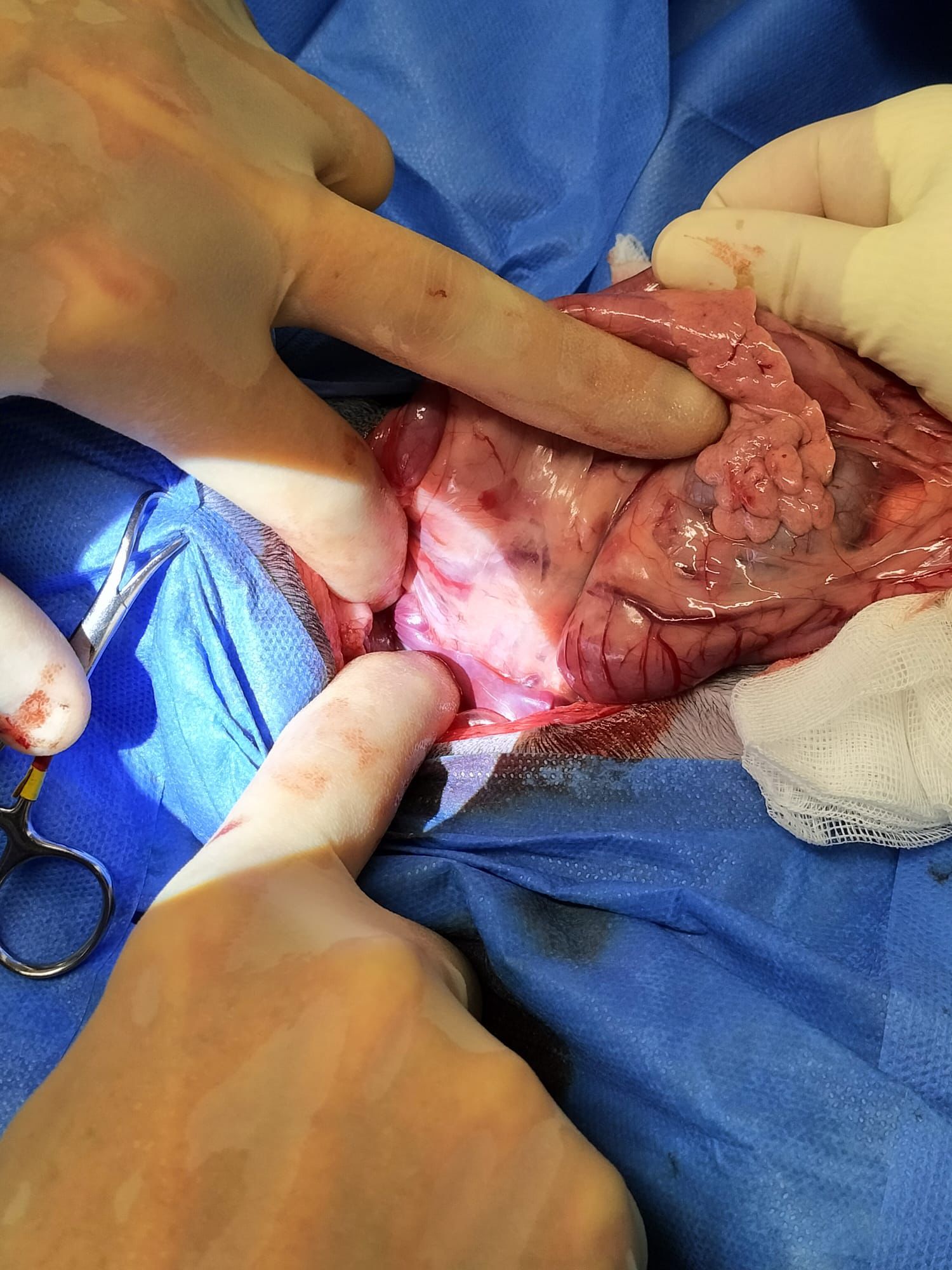
Rata surgeon, Alasdair Hotston Moore utilised portovenography intraoperatively for Poppy. Operative mesenteric portography, often performed during laparotomy with a portable fluoroscope (C-arm), offers excellent imaging and localization of shunting vessels. Alternatively, catheterization of the jejunal or splenic vein allows for transportation to a radiology suite with a standing fluoroscopy unit. Intraoperative portography boasts sensitivities of 85% to 100%, with improved imaging using digital subtraction.
Surgery
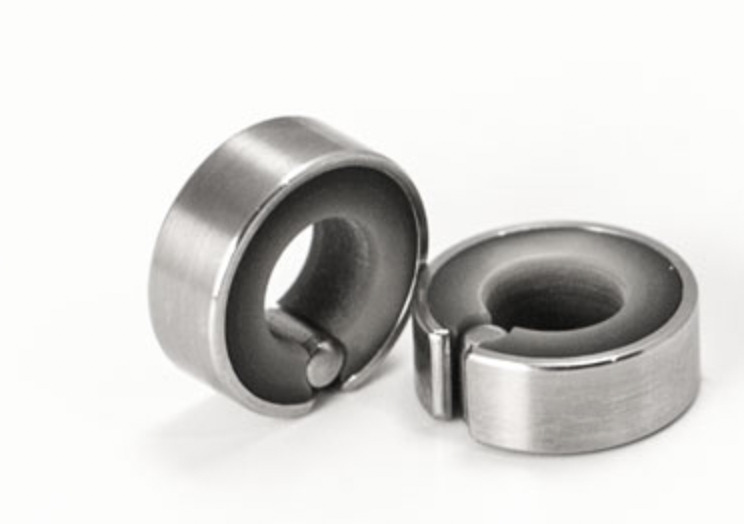
Alasdair diagnosed the presence of a single extrahepatic portocaval shunt during the intraoperative radiographs. He addressed the shunt by placing a 5mm ameroid constrictor. Ameroid constrictors consist of a casein inner ring surrounded by stainless steel, gradually occluding the shunt within 2 to 5 weeks. They are sized based on shunt diameter, with larger diameters preferred. Gas sterilized, they should be used 12 to 24 hours post-sterilization. During placement, minimal dissection of the perivascular fascia is crucial to prevent postoperative complications.
Postoperative Management
After portosystemic shunt attenuation, patients receive intravenous fluids until they are independently eating and drinking. Dextrose may be added to the intra-venous fluids if blood glucose is low. Monitoring for complications like hypoglycaemia, hypothermia, and haemorrhage is crucial. Opioid analgesics may be needed for 1 to 3 days, and sedation with acepromazine or dexmedetomidine can alleviate symptoms of increased portal pressure.
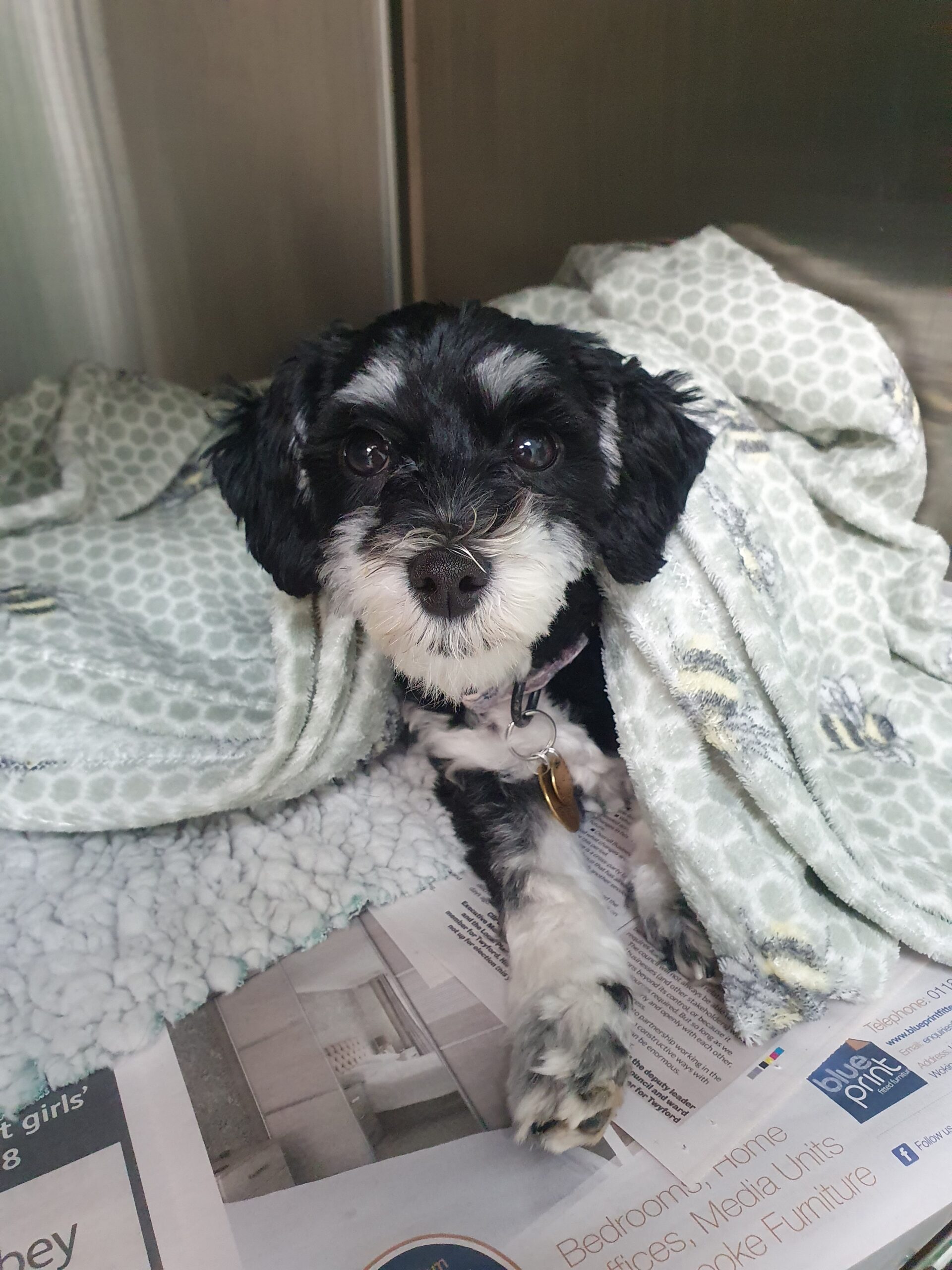
Poppy was discharged after 3 days of hospitalisation and her owners advised to continue her levetiracetum for a further 5 days and amoxicillin clavulanate for 10 days. A protein restricted diet and lactulose was to be continued until her post operative blood tests.
Recovery
A blood screen including a BAST was carried out 6 weeks post operatively which demonstrated an improvement in blood biochemistry levels. Poppy has recovered well and is going from strength to strength under her owners’ attentive care.

Subscribe to our newsletter
We won't share your details with any third parties