

Overview of hip luxation
Hip luxation, or dislocation of the coxo-femoral joint, is a common injury in dogs and cats, typically caused by trauma such as road traffic accidents or falls. The joint consists of the femoral head and acetabulum, stabilized by the round (teres) ligament, joint capsule, and surrounding muscles. Luxation occurs when these stabilizing structures rupture, most commonly resulting in a craniodorsal displacement of the femoral head.
Soft tissue trauma and joint capsule rupture are often accompanied by haemorrhage and inflammation, which can make closed reduction difficult. Even if initially successful, re-luxation is common due to joint instability. Prompt intervention is critical to restore joint function and prevent chronic complications, such as degenerative joint disease or reduced mobility. Treatment options depend on the duration of the luxation and severity of tissue damage, and may include closed reduction, surgical stabilization, or salvage procedures in chronic or recurrent cases.

Treatment of hip luxation
Following hip luxation, in a small number of cases the coxo-femoral joint can be replaced using a closed technique under general anaesthesia. This involves manually replacing the hip and providing strict rest, sometimes with a supportive dressing.
This is rare however and more typically, we will use a ‘hip toggle’ technique to stabilise these cases. This involves placement of a sterile braided suture which is threaded through a bone tunnel in the femoral neck and secured using a metal support (toggle) passed through to a hole drilled in the acetabulum.
The joint is reduced and the fibre is tightened. Surgical closure of the joint capsule provides additional support in these cases. Occasionally an ilio-femoral suture is used to manage these cases.
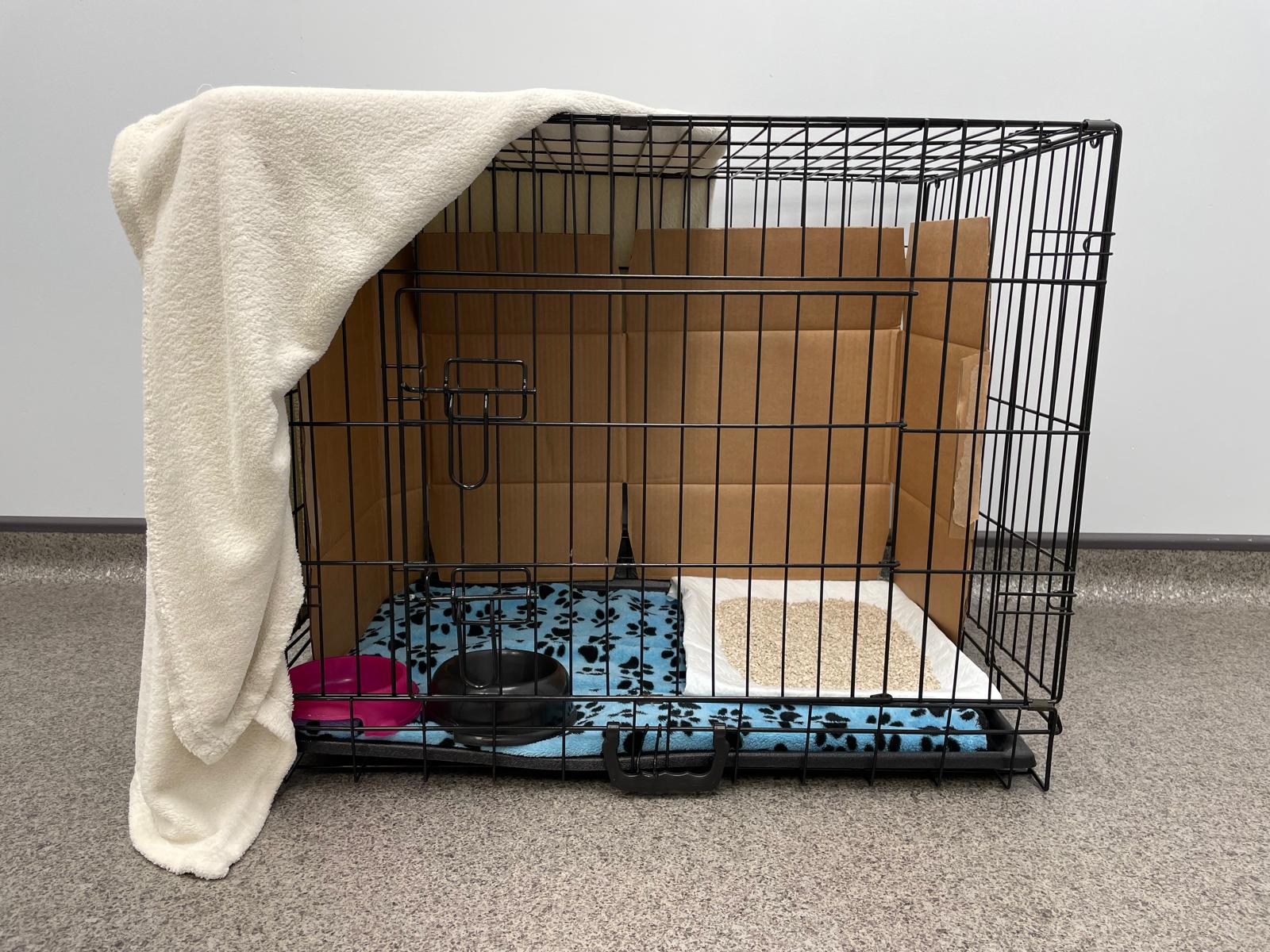
Aftercare following hip toggle
A period of rest following surgery is required along with appropriate wound care which includes the prevention of self trauma. Exhertive movements which will risk the surgical repair should be avoided. The use of a crate and lead walks will facilitate this.
A significant number of patients go on to recover full function following surgery however, as with all surgery, complications such as implant failure or infection can occur. Read more on our recommendations following surgery here.
